
Questions to Ask Your Wedding Photographer Before You Book
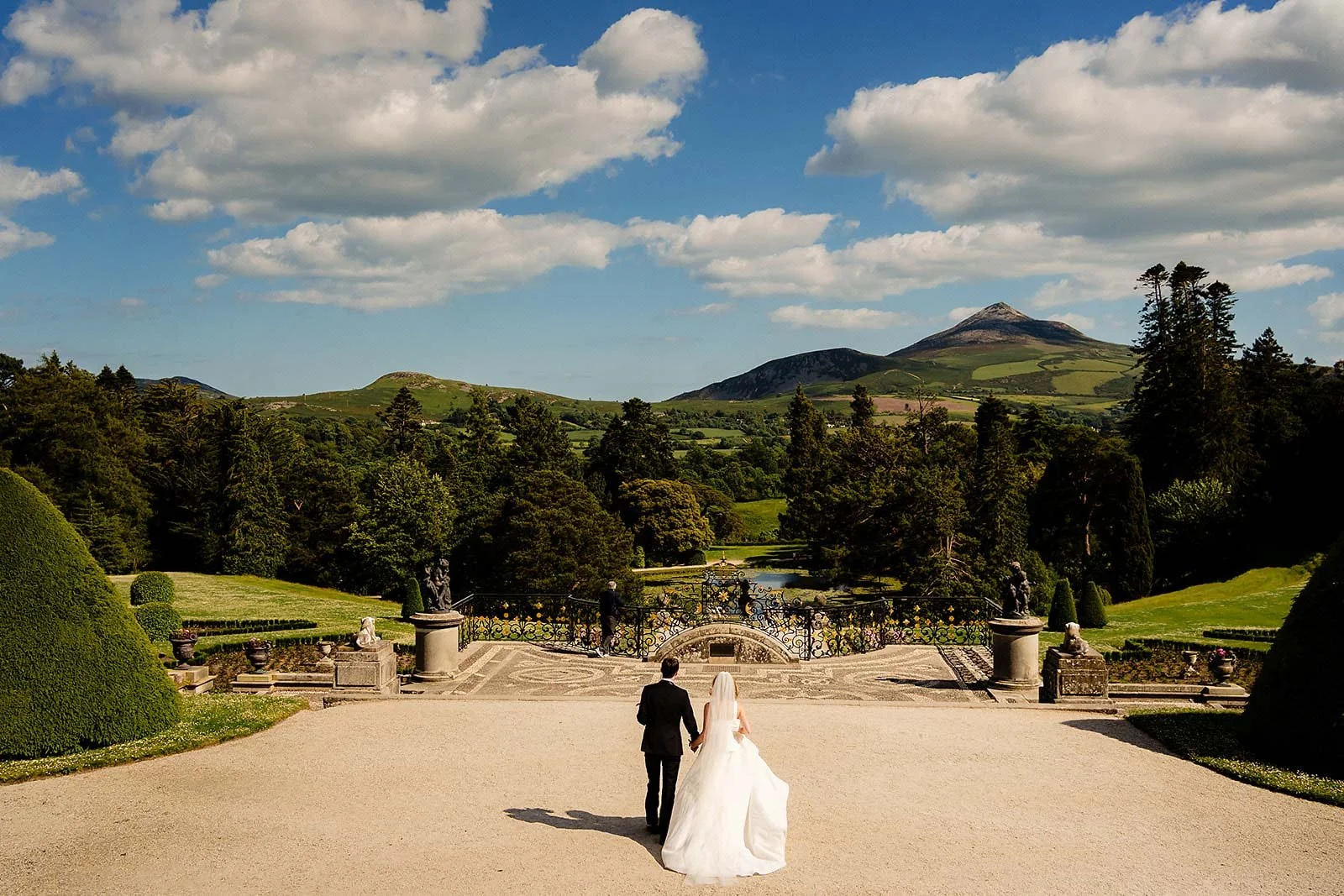
Most couples put more thought into choosing their caterer than they do into vetting their photographer. I get it. Sort of. You can taste the food. You cannot taste a wedding gallery before the day and yet the photos are the part of the wedding you actually keep, long after the flowers are gone and the cake is eaten, so it is worth getting right.
The problem with most "questions to ask your photographer" lists is that they are uusally written to make the photographer look good. They hand you the questions and never tell you what a good answer actually sounds like, or what should make you walk away.
This one is different. I have been on both sides of this. I shoot weddings full time and I also founded Doc Day, the documentary wedding photography conference, so I spend a fair chunk of my year around other wedding photographers talking about exactly this stuff. I know what a strong answer looks like and I know the dodges. For each question below you get why it matters, what a good answer sounds like and the red flag to watch for. I have answered a few of them honestly myself so you can see what I mean.
1. Can we see a full wedding gallery from start to finish?
Why it matters: A highlight reel on Instagram is the best ten images from the best ten weddings. It tells you the photographer can take a nice photo in good light. It does not tell you what a whole day in their hands looks like, including the bits that are not pretty.
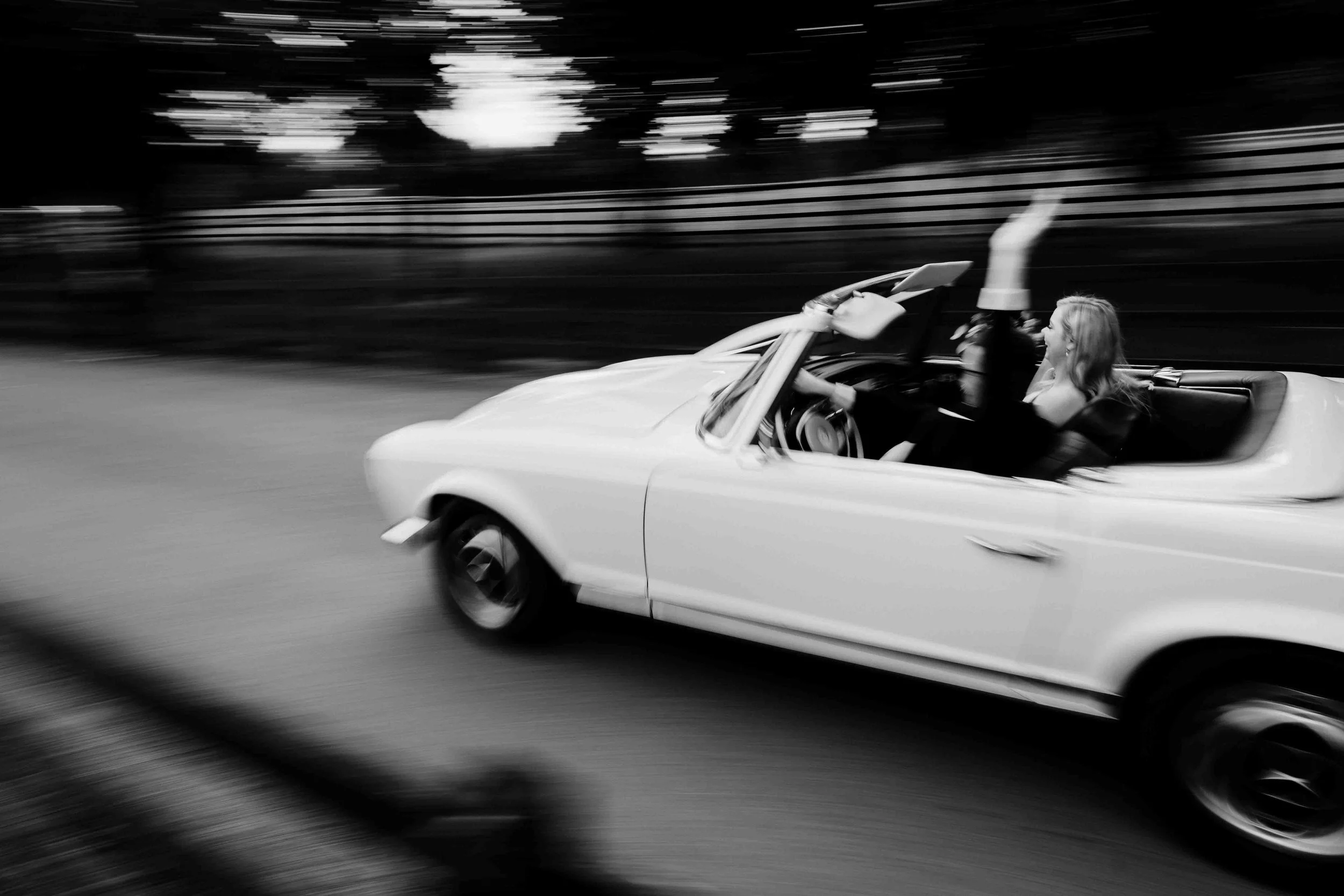
What a good answer sounds like: Yes, here are two or three complete galleries, ideally from a wedding a bit like yours. You want to see the full arc. Getting ready, the ceremony, the speeches and the dancefloor at midnight. Look hard at the quiet in between moments and the reactions, not just the couple shots in golden light. You can browse full galleries in my real wedding stories and I have written before about how to judge a photographer across full weddings rather than highlights.
Red flag: They will only show you a curated selection, or they get cagey about sharing a full gallery. If the best they can show is highlights, the highlights might be all there is.
2. How much will you direct or pose us on the day?
Why it matters: This is the single biggest difference between photographers, and the thing couples most often get wrong. Some run the day like a fashion shoot. Some never lift a finger. Most sit somewhere in between. You want to know which, because it shapes how your whole day feels.
What a good answer sounds like: A clear, honest description of how they actually work, not buzzwords. They should be able to tell you exactly when they step in and when they leave you alone. For me it is simple. I work in the background for most of the day, then give light direction for the family photos and a short couple portrait, and that is it. If you want to understand the differences properly, I broke them all down in my guide to the main wedding photography styles, and you can see what a pure documentary approach looks like across a full day.
Red flag: Style words with nothing behind them. "Natural but also editorial but also candid" usually means they will try to be everything and commit to nothing.
3. Will you be the photographer on the day, and is a second photographer included?
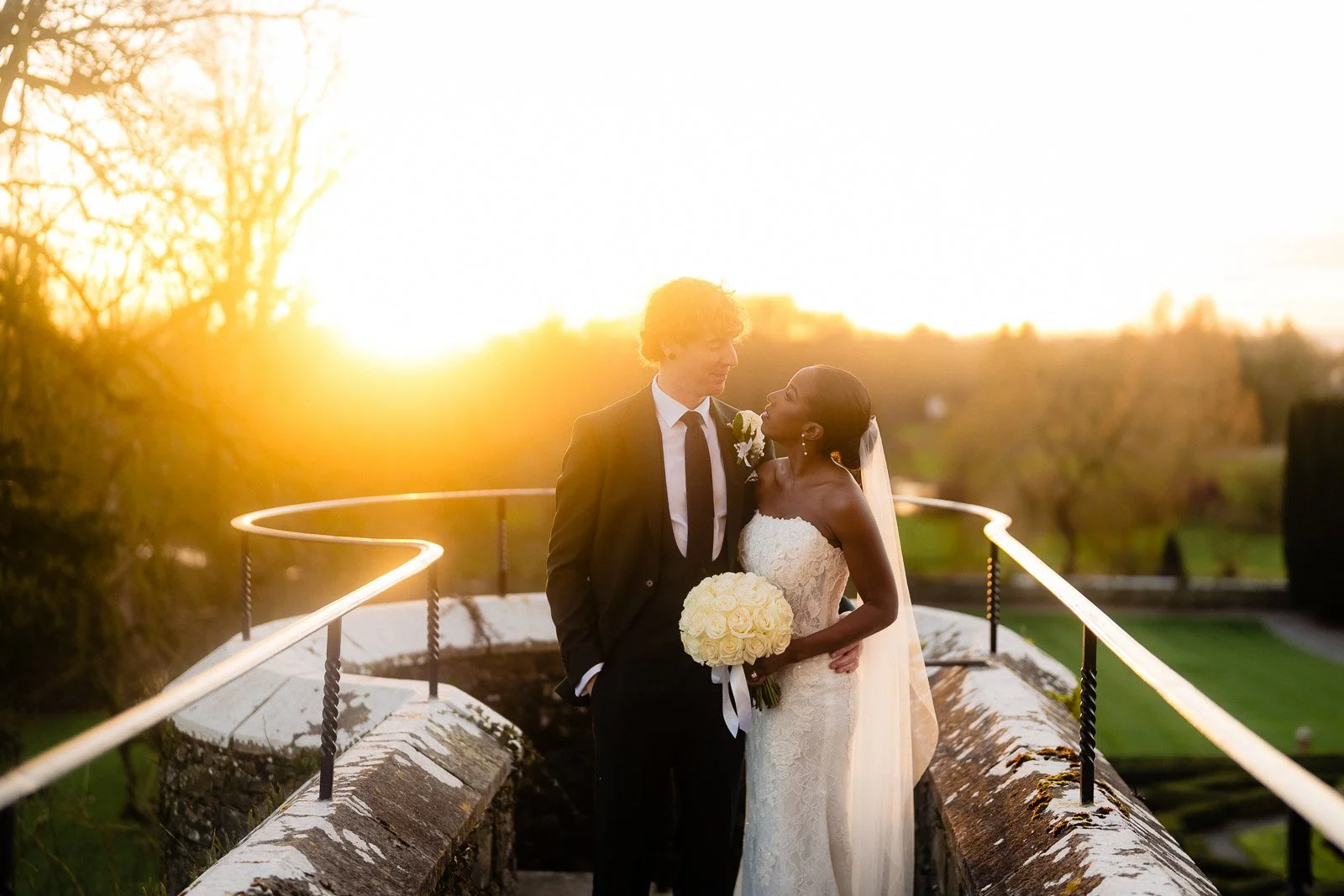
Why it matters: Some studios sell you the lead photographer's portfolio then send an associate you have never met. There is nothing worse than opening the door on the morning of your wedding to a stranger.
What a good answer sounds like: A straight answer about who is actually showing up. If a second photographer is involved, you should know whether they are included or an add on, and you should get to see their work too. I shoot every wedding myself. If you book a second photographer I bring one, and you will know exactly who before the day. You can read a bit more about me and how I work and see the second photographer option in my packages.
Red flag: They will not commit to who is photographing your day, or it is buried in the small print.
4. What happens if you are sick or cannot make it?
Why it matters: It is rare, but it happens. A car accident, a family emergency, the flu on the worst possible morning. You want to know there is a plan that does not involve your wedding going undocumented.
What a good answer sounds like: A real contingency, not a shrug. The best photographers are plugged into a network and can call in a trusted replacement of a similar standard at short notice. This is one I can answer with a straight face. I founded Doc Day, the annual documentary wedding photography conference that brings over 200 documentary photographers together every year, so I probably have the biggest network of documentary wedding photographers in Ireland. Said slightly tongue in cheek, but it is true. If I ever could not make it, I would find you someone very good.
Red flag: No plan at all, or "that has never happened so I have not really thought about it."
5. What cameras and backups do you bring?
Why it matters: Cameras fail. Memory cards corrupt. Your wedding cannot be reshot. This question separates professionals from hobbyists faster than almost any other.
What a good answer sounds like: More than one camera on them at all times, cameras that write to two cards at once so there is an instant backup, and a clear plan for backing up the files after the day. Mine, since you asked. I always have three cameras with me and usually shoot on two, and I back everything up in triplicate with one copy in the cloud before anything ever gets deleted.
Red flag: One camera, a single card, and files left sitting on that card until they get round to it. Run.
6. Are you insured?
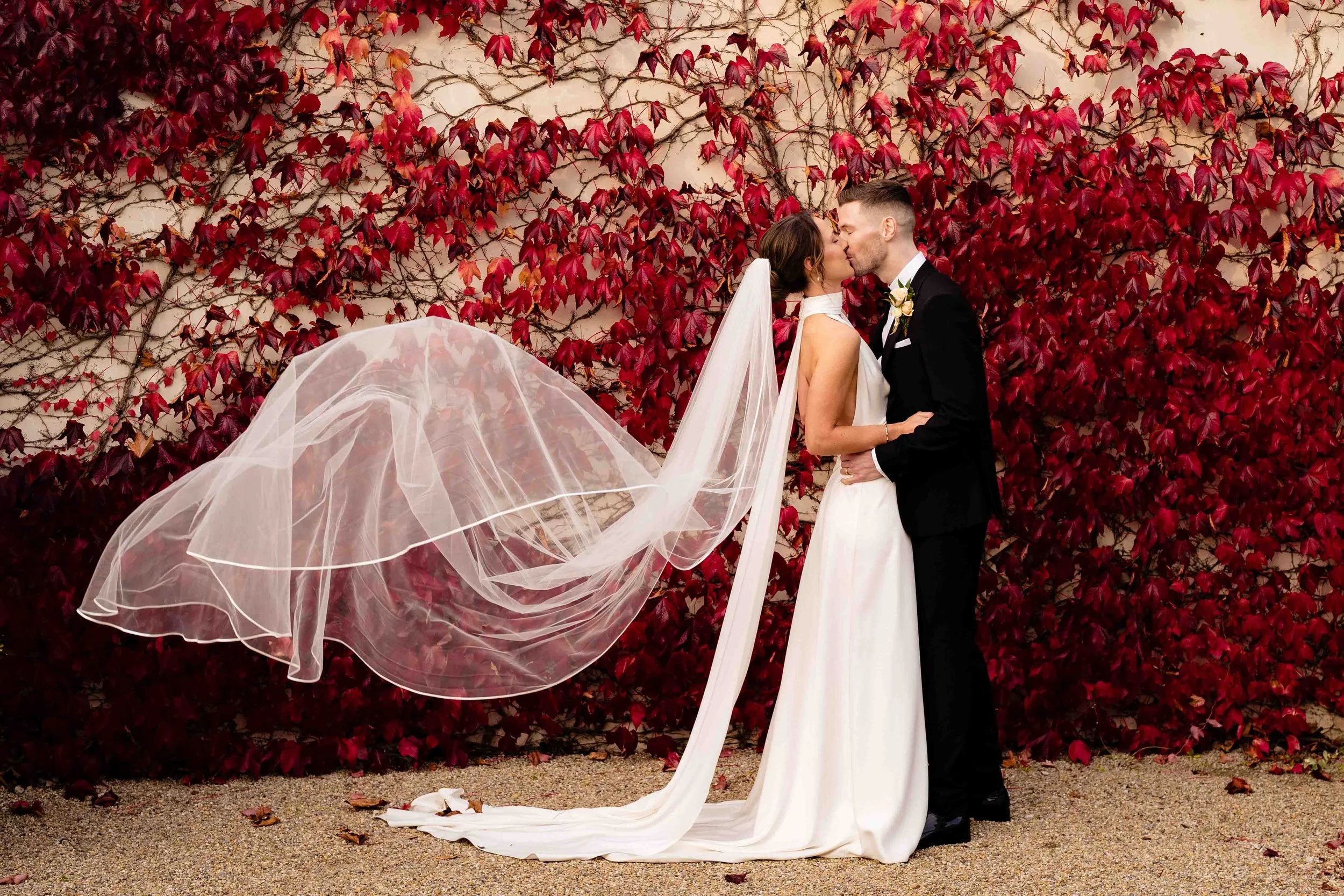
Why it matters: Professional photographers carry public liability insurance. It protects you and them if gear gets damaged or someone trips over a light stand. In Ireland it is also occasionally a venue requirement.
What a good answer sounds like: Yes, fully insured, and happy to send the venue a certificate if they ask for one. I am fully insured. Most Irish venues never ask for it, but a few do, and that is no bother when they do.
Red flag: They do not have it, or they are not sure whether they do.
7. Have you photographed our venue, and how do you prepare if you have not?
Why it matters: Every Irish venue has its own light, its own awkward corners and its own rhythm. A photographer who already knows the venue is a step ahead. One who does not should have a plan.
What a good answer sounds like: Either yes with specifics about the venue, or a clear approach for a new one. Arriving early to scout, checking where the light falls at your ceremony time and looking at other photographers' work from there. I have photographed across nearly every county in Ireland, at a lot of the country house and castle venues, so there is a decent chance I have already shot yours.
Red flag: No knowledge of the venue and no interest in preparing for it.
8. How do you handle family photos and group shots?
Why it matters: Family photos are the part of the day most likely to drag and the part most likely to descend into chaos if nobody is steering. Done badly they swallow an hour and annoy everyone. Done well they are over before anyone notices.
What a good answer sounds like: A photographer who asks for a short agreed list in advance, gets one clean frame of each group with everyone present and eyes open, then keeps it moving so you are back with your guests fast. The aim is efficient, not endless. It is worth talking through where this sits in your wedding day timeline too.
Red flag: No system, no list and a vague promise to "figure it out on the day." That is how you lose an hour of your reception.
9. What is your plan if the day runs late?
Why it matters: Irish weddings run late. Ceremonies start behind, speeches overrun, the band arrives early. Your photographer needs to roll with that without losing the moments that matter.
What a good answer sounds like: Calm and flexible. They build a little slack into the timeline, they protect the most important moments if time gets tight, and they do not panic when flat two o'clock light turns into a downpour. Ask how they have handled a day that went sideways before. The good ones will have a story ready.
Red flag: A rigid shot list with no room to move, or any hint that a late timeline is your problem and not theirs.
10. When do we get our photos, in what format, and do we get sneak peeks?
Why it matters: The wait for your gallery can feel endless, and "a few months" is not an answer. You also want to know you actually own usable, high quality files at the end of it.
What a good answer sounds like: A clear turnaround, a few sneak peeks soon after the day and high resolution images you are free to download, keep and print. For me that is four weeks at the most and often sooner, with 15 to 20 sneak peeks within a few days, and an online gallery where you, your family and your friends can download the images in high and low resolution for free.
Red flag: Vague timelines, watermarked files, or images you have to pay extra to actually use.
11. What is included in the package, and is there a contract?
Why it matters: "Wedding photography" means wildly different things at wildly different prices. You need to know exactly what you are getting, what costs extra, and that the whole thing is in writing.
What a good answer sounds like: A clear breakdown of coverage hours, what is included as standard, what the add ons are and a proper contract you both sign before anything is confirmed. My own packages run from €1,850 up to €7,450 depending on coverage and what is included, and nothing is ever booked without a signed contract and a deposit. If you want to understand the wider market first, I wrote an honest guide to what wedding photography actually costs in Ireland, and you can see exactly what sits in each of my packages here.
Red flag: No contract. If a photographer will hold your date on a handshake, walk away. The contract protects you every bit as much as it protects them.
12. Do you offer albums and prints?
Why it matters: Digital galleries are convenient, but they tend to live forgotten on a hard drive. An album is the thing that actually gets pulled off the shelf in twenty years, so it is worth knowing what is included and what you can add.
What a good answer sounds like: Clarity on whether an album is included or extra, how many pages, and how you order prints and wall art afterwards. In my case an album is included as standard in almost all of my packages, the only exception being the four hour package, and that covers your first 20 or 30 pages depending on the package. Prints, frames and canvases are all available through the shop attached to your online gallery, and your digital images are always free to download.
Red flag: Albums and prints that are all expensive add ons with nothing included, or no print release at all.
One last thing that matters more than any single question
Pay attention to how you feel in the conversation. If a photographer makes you feel rushed, talked down to or like you are a hassle for asking, that does not disappear on the day. It shows up in your photos. The best images come from a photographer you actually trust and feel relaxed around, so once you have your answers, trust your gut too.
If you are planning a wedding in Ireland and you want someone who works this way, honest, documentary and calm in the background, I would love to hear about your day. You can also read more about working with me as a documentary wedding photographer in Ireland.
FAQ’S for the FAQ’s to ask photographers :)
-
You don’t need a huge list. A tight set of the right questions, covering the full gallery, the style, who is shooting, backups, what is included and the contract, tells you almost everything. The quality of the answers matters far more than the number of questions.
-
Ask to see two or three full wedding galleries from start to finish, not just highlights. Nothing reveals more about how your own day will actually be photographed.
-
Yes. A signed contract protects both of you and confirms exactly what you are getting. If a photographer will book your date without one, treat it as a red flag.
-
For peak season from May to September, 12 to 18 months ahead is sensible. The busier photographers book out early, and some couples secure a date before they have even confirmed their venue.
-
Yes. Professional photographers carry insurance. Most Irish venues do not ask for proof, but some do, and a professional will have no problem providing it.