
Best Wedding Photographer in Ireland; How I Approach Each Wedding
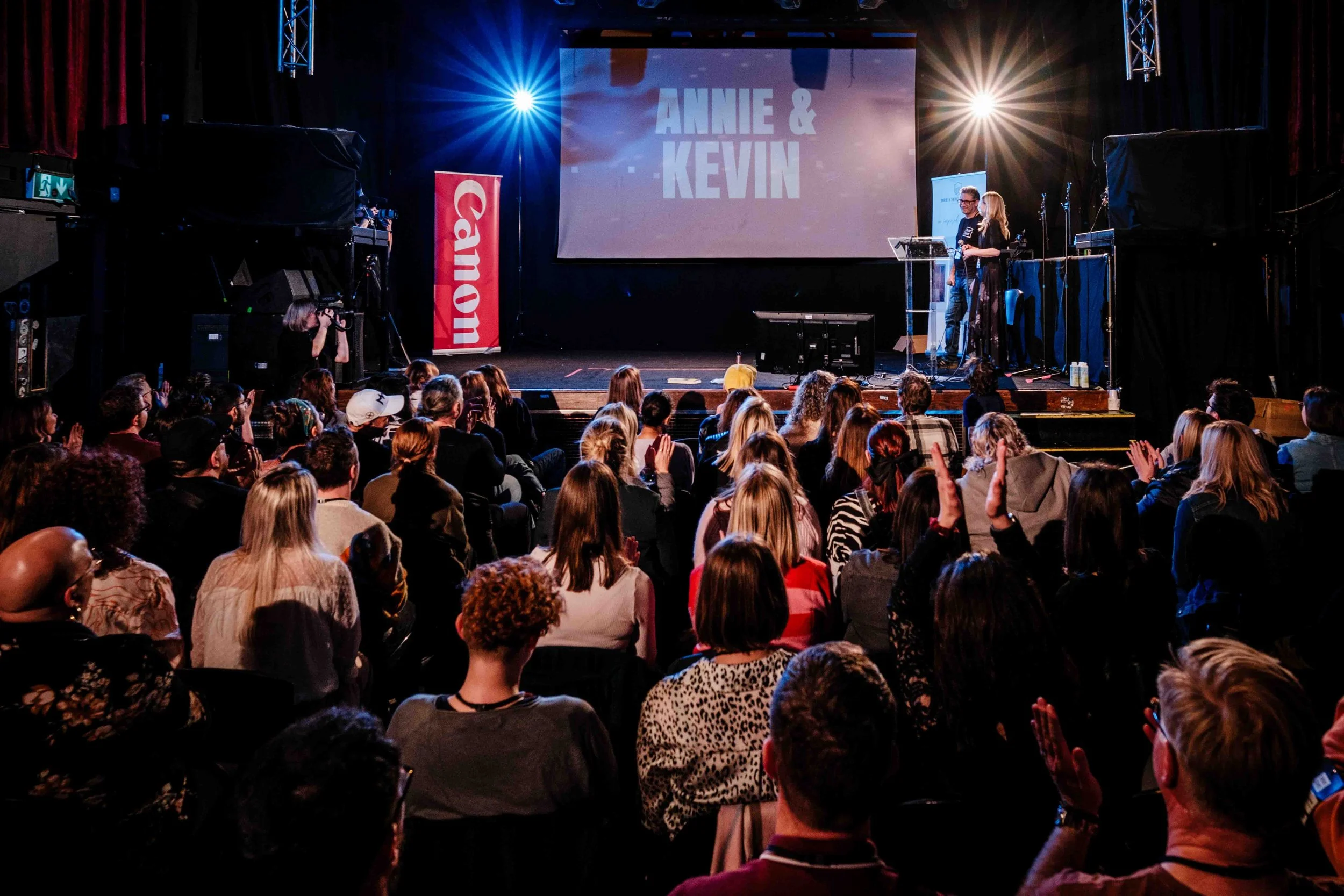
Doc Day, Dublin 2026
I photograph weddings in a documentary style. I don't direct, pose or construct moments; I watch what happens and make photographs from it. If you searched for the best wedding photographer in Ireland and landed here, this page explains how I work on the day so you can decide whether that is what you want.
The word "best" means something different to every couple. The best photographer for a couple who want sweeping golden-hour portraits on a castle lawn is not the best photographer for a couple who want someone invisible in the corner, catching their grandmother laughing during the speeches. I am the second kind. I have won a load of international awards, I founded Doc Day, one of the largest wedding photography conferences in Europe, and above all else I love my job.
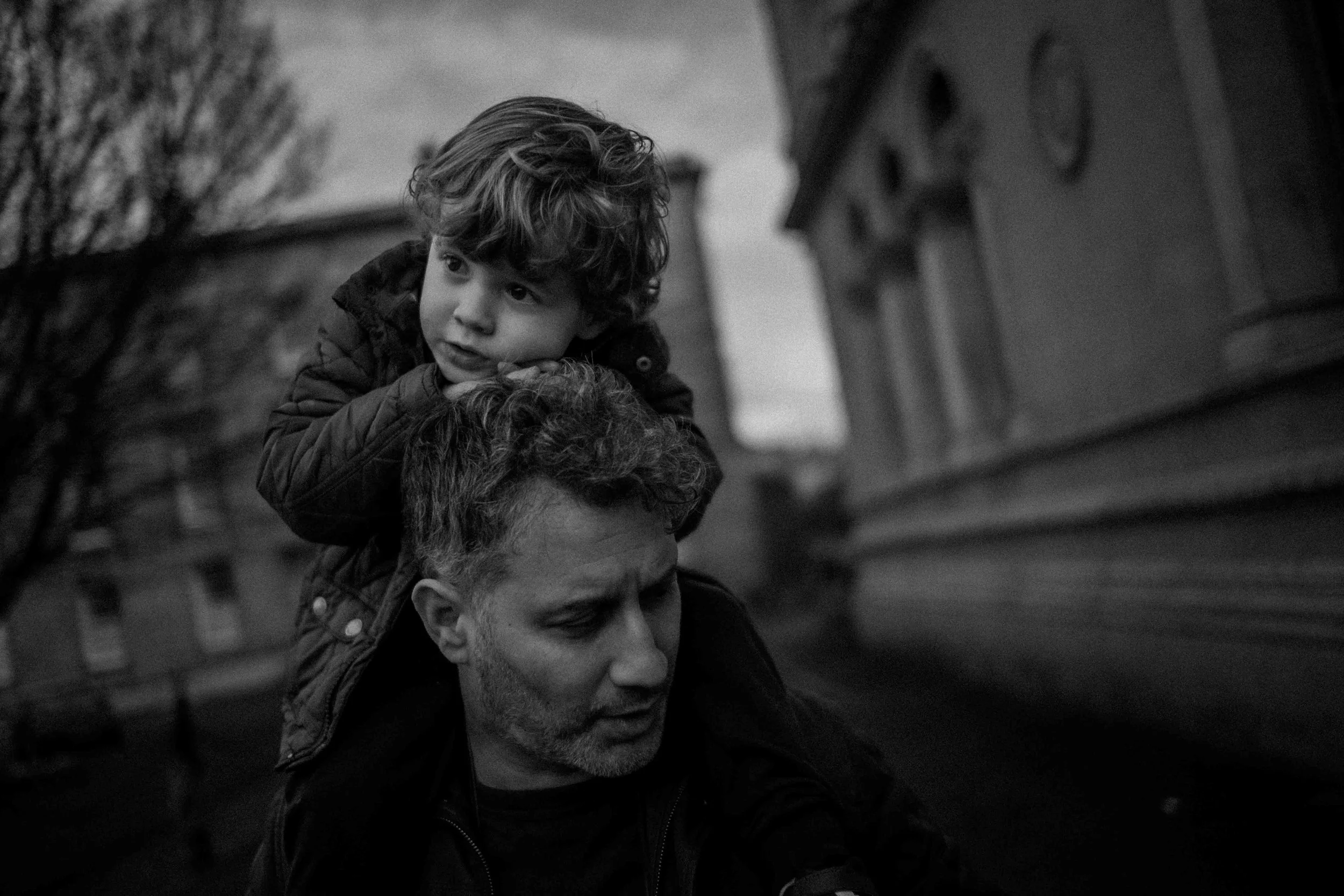
My name is Kevin Kheffache. I'm based in Dún Laoghaire, Dublin, and I've been photographing weddings across Ireland for over a decade.
I'm recognised by Fearless Photographers and This Is Reportage, the two main international bodies that specifically accredit documentary wedding photographers. These aren't general photography awards; they exist to recognise work that captures real moments, unposed and unmanipulated. Being listed by both puts me among a small number of photographers in Ireland working at this level in this style.
I rank in the top 3 wedding photographers in Ireland and top 25 worldwide by that measure. I was President of the Irish Professional Photographers and Videographers Association from 2019 to 2021 and as I mentioned above, I founded Doc Day, one of Europe's largest wedding photography conferences, which brings together documentary photographers from across the continent every year.
All of this matters only as far as it helps the decision you're making. When you're choosing a wedding photographer, credentials are one signal among several. The more important ones are: do their images look like what you want? Do you trust how they describe their work? Does their approach match how you want to feel on your wedding day?
What documentary wedding photography actually means
The word "documentary" gets used loosely in wedding photography. For me it means something specific.
I don't pose couples during the ceremony, the speeches, the first dance or the moments in between. I'm not arranging people or asking anyone to look at the camera. I'm moving quietly through the day, watching for the moments that are already happening — the look between you when you don't think anyone's watching, your father's face when you walk in, your friends on the dancefloor at midnight.
The portrait break is the one planned exception. Most of my couples take 20 to 30 minutes during the drinks reception for portraits — just the two of them, away from guests. I'll suggest a few spots at your venue that photograph well in the available light, and we'll wander. It's relaxed rather than directed. Most couples tell me afterwards it was the quietest 20 minutes of their day.
Everything else I do without interrupting.
How I approach the day itself
Every wedding is different in its specifics but the structure of how I work stays consistent.
Before the day: I'll have spoken with you at least once on a call, read through your timeline and looked at your venue — either from my own experience shooting there or from research. I want to understand what you're most looking forward to, what you're anxious about, and what details matter to you that I shouldn't miss. I also send over a short document before every wedding that covers the plan for the portrait break, the low-light approach for the reception and a few things couples can do to make their images stronger without it feeling like preparation.
Getting ready: I usually start with whoever needs the most time. Getting ready is one of the richest parts of any wedding day to photograph — the small rituals, the nervous energy, the moments of stillness before everything begins. I'm not arranging the room or asking people to hold things up for the camera. I'm finding the light and watching.
The ceremony: I photograph from a fixed position for most of it. I'm not moving around during readings or vows — that kind of movement is distracting for guests and produces photographs that feel like they were taken by someone trying to be noticed. I know the moments that are worth anticipating (the first look down the aisle, the ring, the kiss, the walk back out) and I position for them in advance.
Drinks reception: This is often where the best photographs of the day happen. People are relaxed, conversations are flowing, children are running around. I move through it continuously. This is also when we take the portrait break.
The meal and speeches: I shoot from a position that gives me access to both the speaker and the reactions in the room. The reactions are usually better. A best man's speech well-photographed produces 15 images — most of them of people laughing.
The dancing: I stay until the dancefloor is full and the room has its own energy. The end of the night produces some of my favourite images of any wedding.
The venues I work across
I photograph weddings across Ireland, with the exception of a small number of counties in the far west and south that fall outside my travel range. Over the years I've built up detailed knowledge of most of the major venues — the light in specific rooms at specific times of day, the portrait locations that work in different weather, the logistical quirks that affect how the day runs.
Some of the venues I photograph regularly: Powerscourt House & Gardens, Luttrellstown Castle, The Merrion Hotel, Dublin City Hall, Kilshane House, The K Club, and Cliff at Lyons.
That venue knowledge matters more than it might sound. Knowing that the light through the east-facing windows of a particular room is best between 11am and 1pm, or that there's a spot in the walled garden that photographs well even in flat overcast light — that's the difference between arriving somewhere and knowing somewhere.
What do my couples say?
The phrase I hear most often after weddings is some version of: "I forgot you were there." That's the goal. If you're spending your ceremony wondering whether the photographer is getting the shot, the photographer is doing something wrong.
The second thing I hear is that the photographs showed them things they didn't see on the day. A moment between their parents during the first dance. A child asleep under the table during the speeches. Their own face during a reading they hadn't expected to move them. Documentary photography is, among other things, a way of being in more than one place at once — which is the one thing you can't do at your own wedding.
Is this the right approach for you?
Documentary wedding photography isn't for everyone. Some couples want more direction, more posed portraits, a larger team shooting from multiple angles. That's a legitimate preference and there are excellent photographers who work that way.
This approach works best for couples who:
Want to feel present on their wedding day rather than managed through it
Care more about how their photographs feel than how they look
Don't want to spend an hour on portraits
Are getting married somewhere with genuine visual interest — a historic venue, a beautiful landscape, a room with good natural light
If that sounds like you, I'd love to hear from you.
Start the conversation
I take on a limited number of weddings each year to make sure every couple gets my full attention. Dates go quickly, particularly for Saturday weddings from May to September.
Get in touch to check availability
You might also want to browse my full wedding portfolio or read about how I work at specific venues.
Frequently asked questions
How many weddings do you photograph each year? I keep my calendar deliberately limited so that every wedding gets proper preparation and attention. I don't operate as a studio with multiple photographers shooting different weddings on the same day under my name.
What style is your wedding photography? Documentary, also described as reportage or candid. I'm watching and reacting rather than directing or posing. The portrait break is the one structured part of the day — everything else is unposed.
How do we know if you're the right photographer for us? Look at my work across multiple weddings, not just the highlight images. Look for variety in the types of moments captured, not just the beautiful venue shots. If the quieter images — the in-between moments, the reactions, the small details — feel like the kind of photographs you want, we're probably a good fit.
What does a typical wedding day package include? Full day coverage from getting ready through to the dancefloor, an online gallery of edited images, and a pre-wedding consultation call. Specific package details are discussed when you get in touch.
How long until we receive our photographs? Most galleries are delivered within four weeks of your wedding day.